

0 item(s)
View cart
You have no items in your shopping cart.
O.R. Tambo International Airport used UnityIS® to centralize physical access control, integrate with existing video systems, and maintain expansion flexibility even when hardware supply constraints changed the deployment plan.
O.R. Tambo International Airport in Johannesburg is one of Africa's busiest and most important air-travel hubs. The constant movement of passengers, employees, goods, and services creates complex access-control requirements where security and operational efficiency have to work together.
More than a decade ago, the airport sought an access-control platform capable of managing a large network of entry points while integrating with existing video-management systems.
IMRON was selected because UnityIS® provided an open platform capable of connecting different security technologies rather than forcing the airport into a single-vendor architecture.
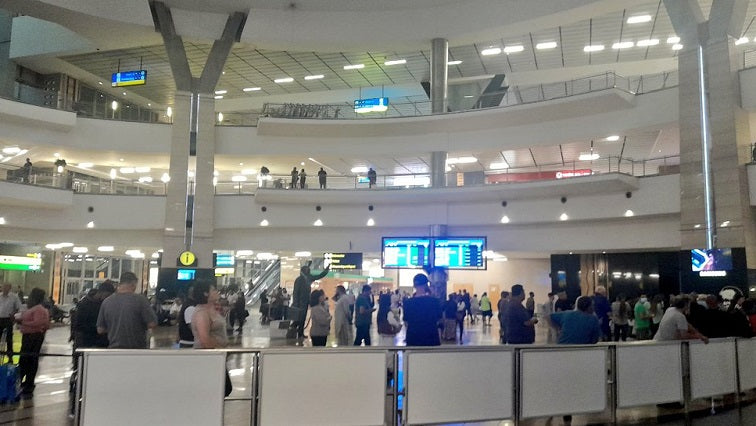
Disparate systems created inefficiencies in how the airport monitored and managed physical access control.
Existing solutions did not provide the level of integration with video-management systems needed for more complete monitoring and response.
Relying too heavily on a single hardware vendor created risk when supply-chain disruptions affected controller availability.
UnityIS® provided a centralized platform for managing physical access control while its open architecture allowed the system to integrate with the airport's existing video-management environment.
That architecture became especially valuable when Mercury hardware became difficult to obtain. Rather than delaying planned expansions, IMRON provided Azure hardware so the airport could continue adding and upgrading controlled openings.
The result was an access-control strategy built around continuity and choice instead of a single hardware dependency.
UnityIS® allowed the deployment to accommodate Azure hardware when Mercury availability was constrained, helping ORTIA continue planned expansions without redesigning the entire management platform.
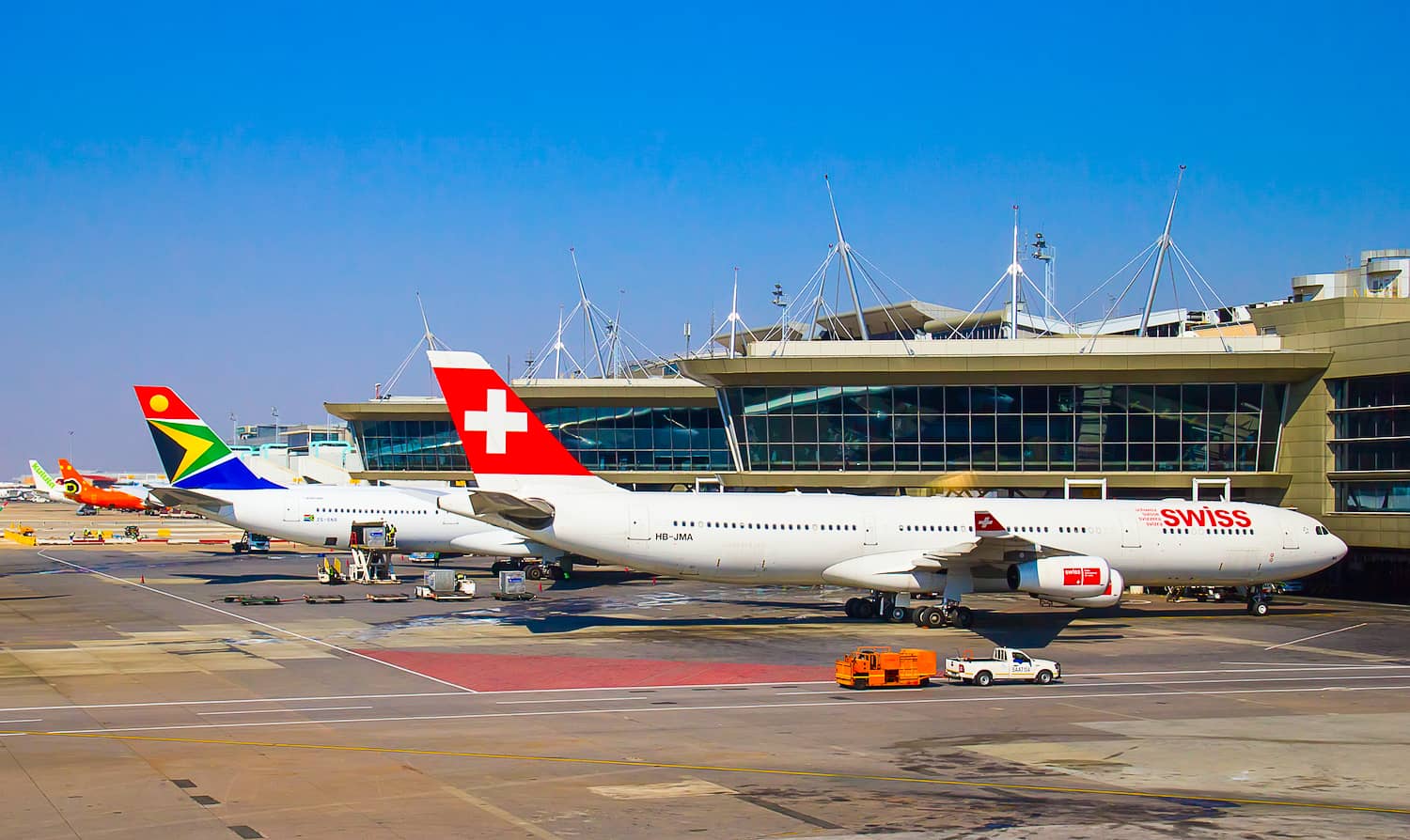
The implementation described in the case study included approximately 143 readers using leading brands such as Suprema and HID.
IMRON worked closely with airport authorities through the transition and provided training and support to help optimize the performance of the system.
Because the software platform was not tied to one access-control manufacturer, hardware could be selected based on availability and project requirements without changing the operator experience.
UnityIS® gave ORTIA a centralized environment for managing physical access control across the deployment.
Open integration with existing video-management systems improved the connection between access events, monitoring, and response.
The ability to move between compatible controller technologies helped planned expansion continue despite supply-chain constraints.

The O.R. Tambo deployment shows why hardware independence matters operationally. A platform that can work across compatible controller and reader technologies gives a large organization more options when products become unavailable, project requirements change, or new technologies are introduced.
UnityIS® gives airports and other critical facilities a way to unify compatible access-control and video technologies while preserving the flexibility to evolve the system over time.